Neal Schmitt
Workbook Studio 1997-2006
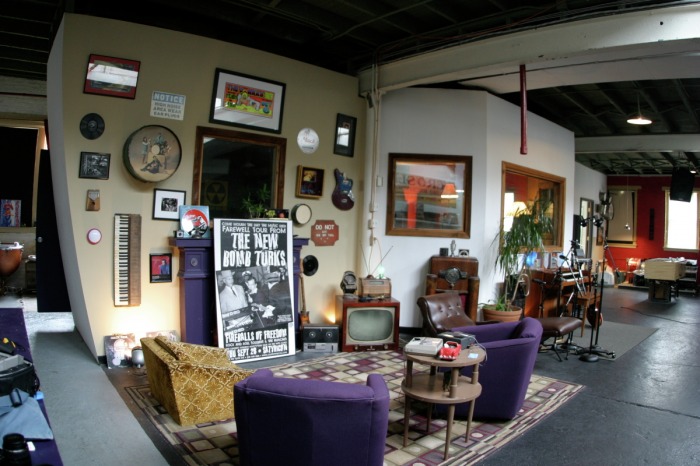
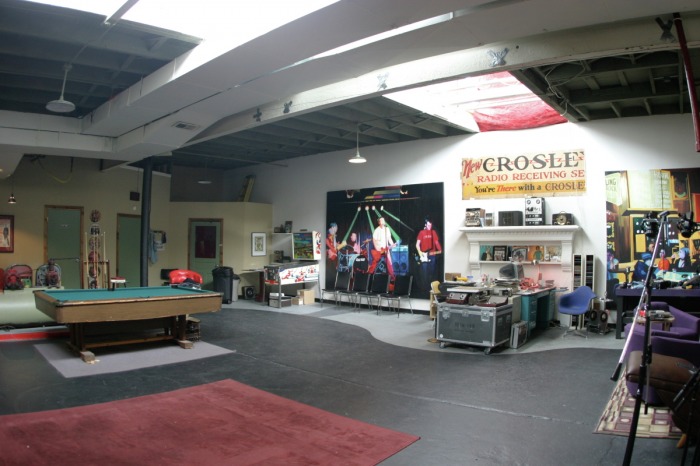
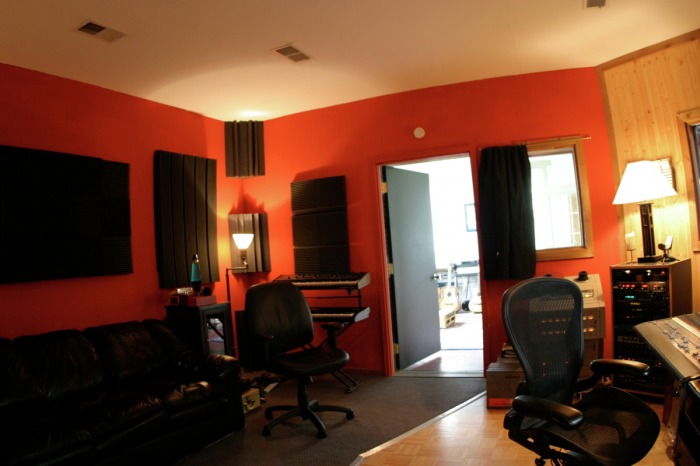
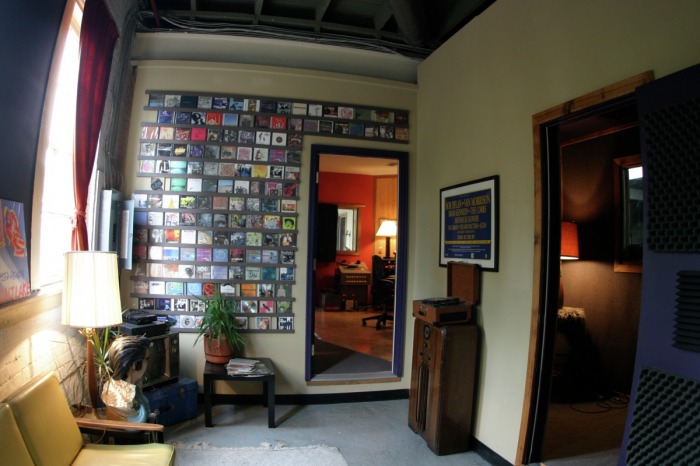
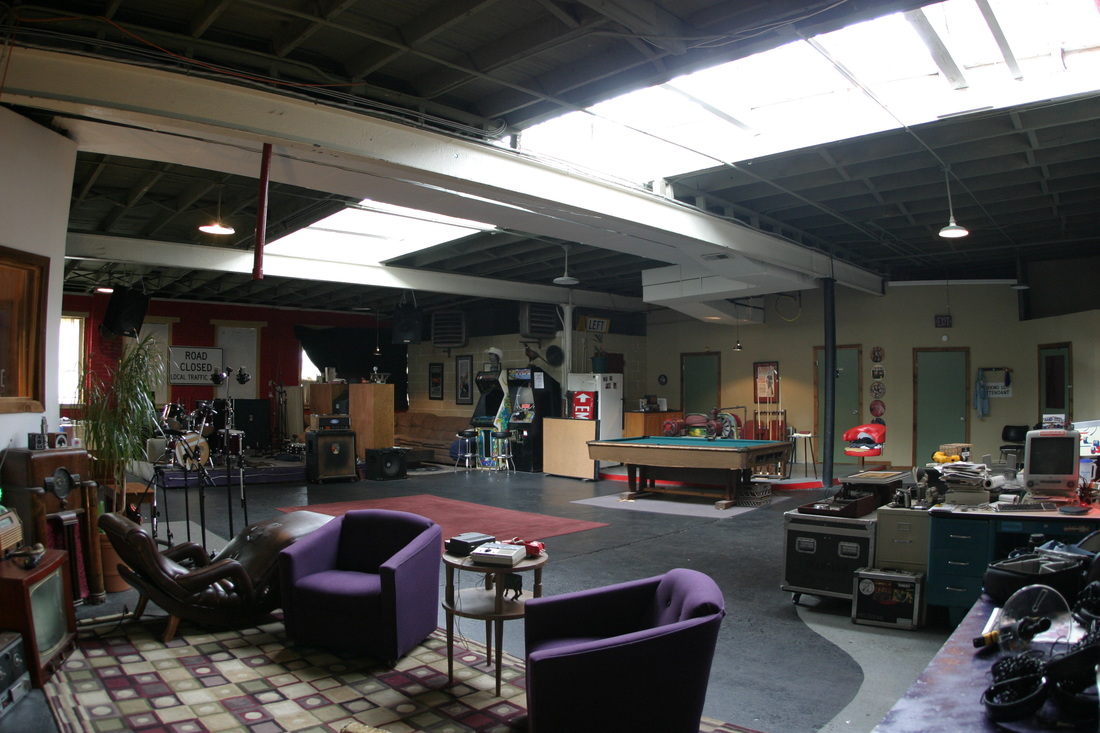
Columbus spot specializes in "high-speed recording" (from Mix Magazine)Workbook Studio may hold the world's record for on-the-fly recording. Located in a converted warehouse that once housed Columbus, Ohio's first Packard car dealership, Workbook owner/engineers Neal Schmitt and Jon Chinn, engineer Dan Wilburn and two other part-timers triumphantly recorded 25 songs by 25 bands in 25 hours. “The original plan was 24, but we got a little over-excited,” says Schmitt.
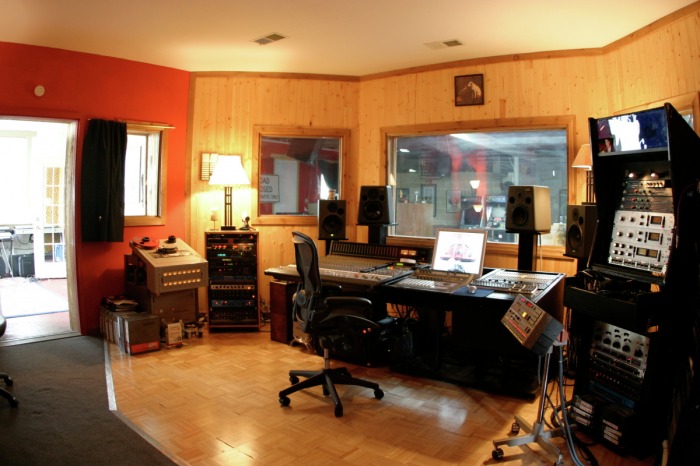
Aided by chilled Red Bull, hot coffee and the buzz of a revolving door of musicians, Schmitt, Chinn and Wilburn fired up the automated Tascam 3700 24/48-channel console in the control room of their 3,000-square-foot loft space at 4 p.m. one Friday afternoon. Several mic swaps and level-checks later, they sent the last band home at 5 p.m. on Saturday. The lineup of mostly local and regional acts were recorded using Digidesign's 002 LE system (the studio also owns a few Alesis ADATs and a Tascam MS16 1-inch 16-track) with assistance from AKG, Neumann, Shure, Sennheiser and BLUE Baby Bottle mics, and the studio's large selection of guitar amps, drums and keyboards. “We had two drum kits and tons of guitar amps set up everywhere for bands to pick from,” Schmitt explains. “While one band was doing vocals and finishing their mix, the next one was setting up. We worked in two-hour blocks; the second engineer became the main engineer. We thought the hardest part would be filling the late-night slots, but some bands wanted the worst slots!” The fruits of their labor, a CD titled Workbook Studio's 25 Hour Grand Prix, is available through Reverbose Records at Reverbose Records and via Columbus music scene site at Cringe.com, while individual songs can be downloaded from iTunes. |
Click to view my complete discography as a musician, engineer, producer and mastering engineer.
 |



Workbook Television Commercial
|
Part of Episode 1 of Workbook
|
Likely Recording Studio Mistakes
Article appeared in TapeOp Magazine
1. Equipment Issues- This means guitars are setup properly, amps are in working order, and new drumheads are broken in (at least a new snare head). On hand items include extra strings, cables, batteries, picks, tubes, fuses, sticks, screwdrivers, pliers and any specialty tools need for your instrument. The manual for your drum machine or keyboard wouldn’t hurt either.
2. Pre-production – Are the songs rehearsed? I mean rehearsed. Did you record rehearsal? Did you record your live show? Figure out which tempo is correct. This is also a good time to print out your lyrics and finally finish them.
3. Sleep – Tomorrow, you can show up at your day job hung over and sleepless. Today, we need you rested, alert and lively. It’s hard work to put emotion onto tape (or convert to 1’s and 0’s).
4. Questions – This is your time. You can’t ask enough questions. Granted, it takes time to answer them but there’s nothing wrong with being educated and informed. Which lets you . . .
5. Speak up – When thing are wrong, communicate with either bandmates or engineers. When things are smashingly good, people like to hear that as well. Worst thing you can do is leaving the studio with a problem that could have been remedied.
6. Reference CDs – They’re an invaluable tool. Hearing familiar music in an unfamiliar environment lets you hear the acoustics of the room. They are a nice rest for your ears (at a low volume). They’ll remind you how much mastering can make a difference. They also let the engineer in on what you are after. But keep budget differences in mind.
7. Unrealistic Expectations – Otherwise known as “recording too many songs at once –Yes, you’re rehearsed but it’s a long shot. Recording batches of 3 or 4 songs makes the most sense. You won’t end up rushing, you won’t end up compromising. And while you’re recording the next batch, you have songs to upload to the internets, new songs for the press kit, new songs for the radio and singles to sell at shows. Documenting is different and is the only exception, but it will still take longer than you think.
8. Under budgeting – Unfortunately, studios can’t give time away. But there shouldn’t be any hidden costs. A VERRRRRY general rule is minute of music takes 1-2 hours of studio time. But that’s still moving pretty quickly. If you want to get picky with parts, write in the studio, bicker, take tons of smoke breaks, get drunk, etc, expect the session to go a little longer. Not allowing time/money for mixdown falls in this category as well.
9. Not letting your ears rest – Especially during mixdown. If you trust the engineer and have shared your overall vision for the project, let them do their thing for awhile and you can catch up on your “article reading.”
10. Not working on artwork congruent to recording – Waiting until the entire recording is finished just means you won’t have CDs for your CD release party. Nice one, champ.
Article appeared in TapeOp Magazine
1. Equipment Issues- This means guitars are setup properly, amps are in working order, and new drumheads are broken in (at least a new snare head). On hand items include extra strings, cables, batteries, picks, tubes, fuses, sticks, screwdrivers, pliers and any specialty tools need for your instrument. The manual for your drum machine or keyboard wouldn’t hurt either.
2. Pre-production – Are the songs rehearsed? I mean rehearsed. Did you record rehearsal? Did you record your live show? Figure out which tempo is correct. This is also a good time to print out your lyrics and finally finish them.
3. Sleep – Tomorrow, you can show up at your day job hung over and sleepless. Today, we need you rested, alert and lively. It’s hard work to put emotion onto tape (or convert to 1’s and 0’s).
4. Questions – This is your time. You can’t ask enough questions. Granted, it takes time to answer them but there’s nothing wrong with being educated and informed. Which lets you . . .
5. Speak up – When thing are wrong, communicate with either bandmates or engineers. When things are smashingly good, people like to hear that as well. Worst thing you can do is leaving the studio with a problem that could have been remedied.
6. Reference CDs – They’re an invaluable tool. Hearing familiar music in an unfamiliar environment lets you hear the acoustics of the room. They are a nice rest for your ears (at a low volume). They’ll remind you how much mastering can make a difference. They also let the engineer in on what you are after. But keep budget differences in mind.
7. Unrealistic Expectations – Otherwise known as “recording too many songs at once –Yes, you’re rehearsed but it’s a long shot. Recording batches of 3 or 4 songs makes the most sense. You won’t end up rushing, you won’t end up compromising. And while you’re recording the next batch, you have songs to upload to the internets, new songs for the press kit, new songs for the radio and singles to sell at shows. Documenting is different and is the only exception, but it will still take longer than you think.
8. Under budgeting – Unfortunately, studios can’t give time away. But there shouldn’t be any hidden costs. A VERRRRRY general rule is minute of music takes 1-2 hours of studio time. But that’s still moving pretty quickly. If you want to get picky with parts, write in the studio, bicker, take tons of smoke breaks, get drunk, etc, expect the session to go a little longer. Not allowing time/money for mixdown falls in this category as well.
9. Not letting your ears rest – Especially during mixdown. If you trust the engineer and have shared your overall vision for the project, let them do their thing for awhile and you can catch up on your “article reading.”
10. Not working on artwork congruent to recording – Waiting until the entire recording is finished just means you won’t have CDs for your CD release party. Nice one, champ.
